
7 Robot Vacuum Limitations Every Homeowner Should Know
Robot Vacuum Limitations: 7 Things Homeowners Should Know
In recent years, robot vacuum cleaners have become a great alternative to regular vacuuming in Australian households due to their convenience and helping us to keep a cleaner home all the time. With features such as scheduling the cleaning automatically and controlling it via an app, it is also possible to operate these devices completely hands-free, so for a busy homeowner, it is like the perfect cleaning aid that wouldn’t take any time at all. In case you have pets and children, just like most of the people out there, and are after cleaner floors with minimum effort, a robot vacuum definitely will make a difference for you. Then again, a lot of buyers expect these products to completely replace the traditional cleaning methods and, as a result, discover that there are areas where their performance is not up to average.
Having a look at the most frequent robot vacuum restrictions could help you avoid the irritation and make the right cleaning choices. These efficient and stylish devices are excellent for surface cleaning, though they are still limited by the realities of the environment. Understanding their limitations will help homeowners get the most out of them.
Not Every Surface Works
Apart from their pretty cool features, one of the things that makes robot vacuums quite funny is that their effectiveness is influenced by the type of floor that they are cleaning. Generally, robot vacuums are more efficient on hard surfaces and thin carpets compared to thick carpeting. But Australian homes may also have mixed floorplan designs that have rugs, transitions, tiles, timber floors and carpets of different thickness.
Heavier rugs and shag rugs can also pose problems when they create too much resistance for the wheels. Bumps in the floor or raised door sills between rooms could stop momentum, leading to certain areas of the home being skipped. Some models influence change automatically from one surface to the next; however, none are capable of cleaning equally on all surfaces. For best results, homeowners should choose a model specifically designed for mixed flooring, and clear as many obstacles from the floor as possible before starting to clean.
Corners Often Stay Dusty
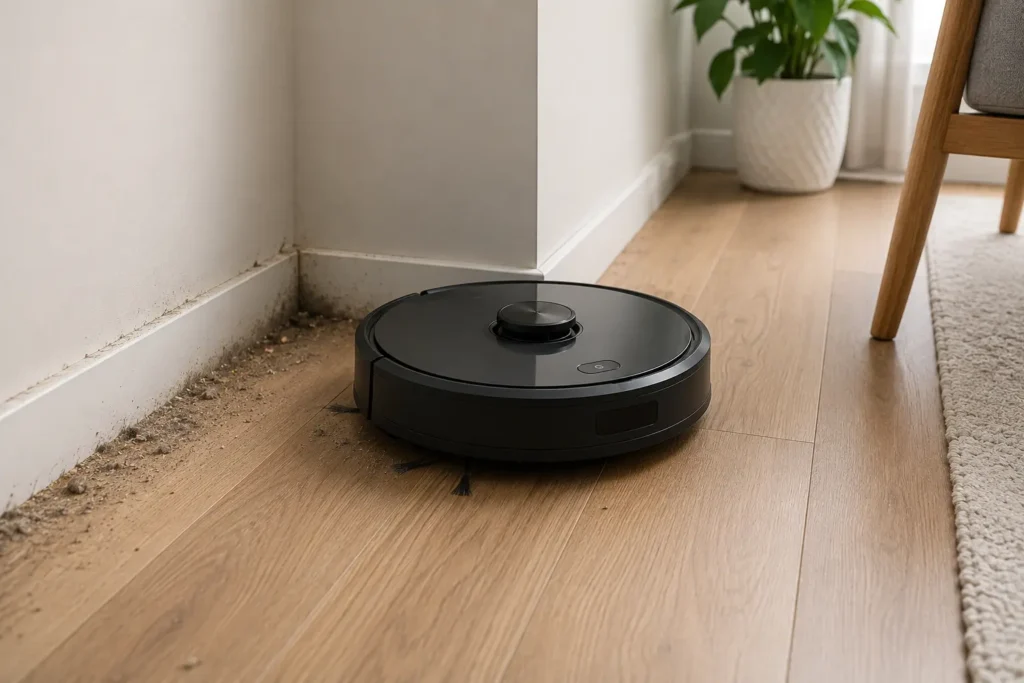
Large open areas will be thoroughly cleaned by robot vacuum cleaners; however, they may not clean well along edges and corners. This is due to the oval shape of the robot vacuum, which could leave a blind spot for dust and dirt to hide in. Robot vacuums do a great job of cleaning big open areas, but they might not be able to clean edges and corners very well. One of the main reasons is their round shape, which naturally creates blind spots where dust and dirt can be hidden.
This can be seen at the bottom of walls, in the angle of the room, the edges of desks, and in small spaces. Although the side brushes are meant to increase the reach, they still can’t equal the precision of manual cleaning tools . This limitation doesn’t render robot vacuums useless — it simply means they are the best option for accent cleaning rather than detail work. For a more thorough result, occasional carpet steam cleaning can help remove dust and debris that robot vacuums may miss in corners, edges, and deep carpet fibres. Most homeowners still consider it worthwhile to vacuum manually from time to time to clean those trickier areas to reach.
Obstacles Interrupt Cleaning
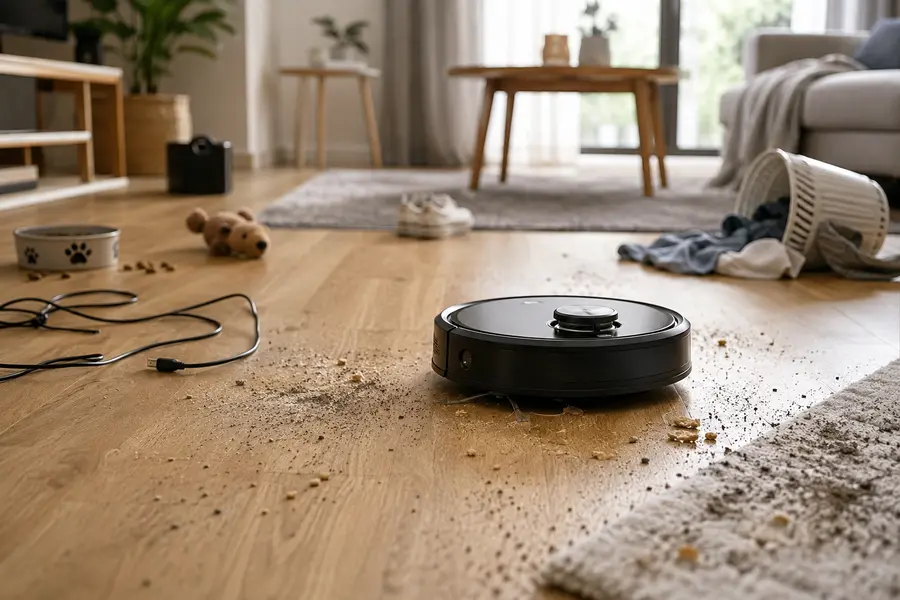
Available space and lack of clutter are the best friends of a robot vacuum. Everyday home goods like charging cables and shoes, pet bowls, toys, laundry baskets, and chair legs can trip them up and pause their cleaning sessions. A lot of people have flashlights for one button, and everything gets done with the device, but now floors need to be prepped ahead of time is often why people say two is a few too many. A robotic vacuum that constantly bumps into furniture and walls may terminate its route prematurely, omit parts of the dwelling , or waste too much time looking for a new path.
Common Household Obstacles
| Obstacle | Typical Impact | Simple Solution |
| Loose cables | Tangles and interruptions | Use cable organizers |
| Small rugs | Folding or movement | Secure with anti-slip pads |
| Pet toys | Blocked pathways | Clear floor beforehand |
| Dining chairs | Reduced navigation efficiency | Lift or rearrange temporarily |
A quick floor check before each scheduled clean can significantly improve performance.
Battery Limits Cleaning Time
Battery life is still among the most noticeable robot vacuum limitations, particularly in larger homes in Australia. There’s a maximum run time they’re built around, at the end of which they need to come back to their charging dock. The size of the room, the suction power, the type of flooring, and how many times the vacuum will hit things while it’s cleaning will all affect the performance of the vacuum. A large house with several bedrooms or a very open-plan area may need 2 to fully energize the vacuum in order to completely clean it. High-end models may recharge and resume automatically, but total cleaning hours even then may surpass what many users anticipate.
Estimated Cleaning Coverage
| Home Size | Average Cleaning Duration | Recharge Requirement |
| Small apartment | 45–60 minutes | Rare |
| Medium home | 60–90 minutes | Sometimes |
| Large home | 90–180+ minutes | Common |
Scheduling cleaning sessions while you are away often makes these longer cycles less noticeable.
Deep Cleaning Still Matters
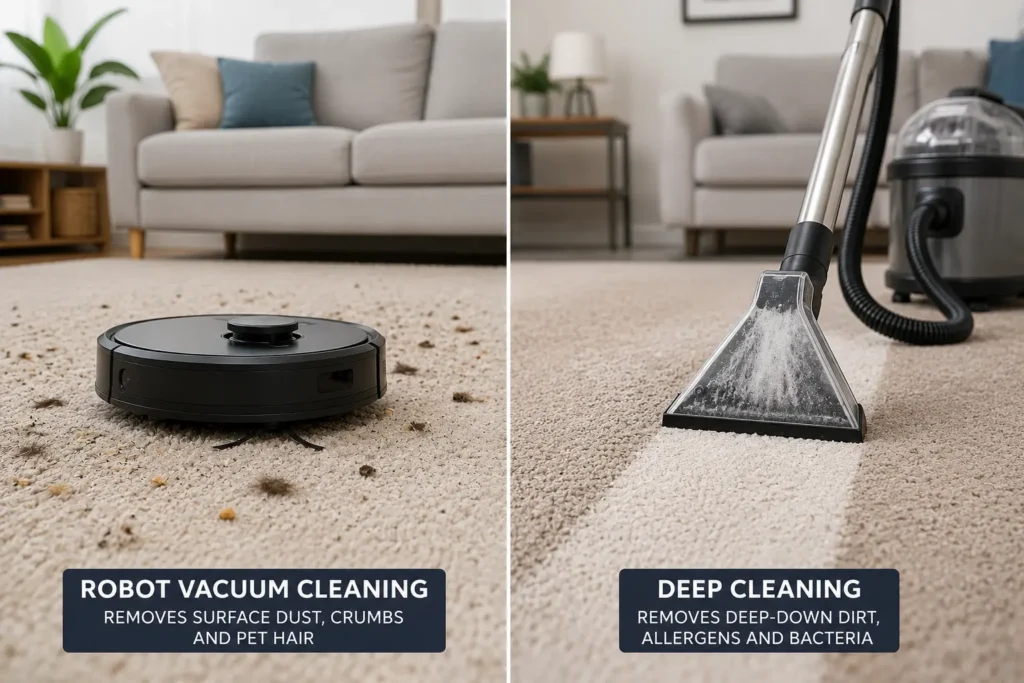
One of the major downfalls of robot vacuums is their expectation to totally replace traditional cleaning. Robot vacuums are, in fact, largely intended for maintenance cleaning rather than deep cleaning. Their performance is excellent when it comes to removing everyday dust, pet hair, and light debris from the surfaces that are visible. However, dirt embedded deep in the carpet fibres, dust in upholstery, and accumulated grime generally necessitate more powerful suction – and in some cases, different cleaning methods. This difference is crucial in a multi-activity household where busy parents and pets take up most of their time cleaning. Many users say that geleg with robot vacuums and deep clean occasionally yields the best results overall.
Maintenance Is Still Required
Upgrade your sheet from threadbare to thread perfect, but roll with the punches if your Electrolux Freedom isn’t the equipment that keeps on giving you the cleaning that you paid for. To get more efficient results, you have to perform maintenance regularly yourself. You will be emptying dust bins, changing filters, and unblocking brushes that can get tangled with hair and debris after a certain period. Sensors also need periodic cleaning for optimal navigation. Not maintaining your vacuum will result in a gradual loss of suction and reduction in the lifespan of the machine. While the majority of tasks get done in minutes, it’s actually the frequency that matters. A basic upkeep schedule of the furnace might help a lot in avoiding extra downtime and, at the very least, a homeowner should be able to count on proper functioning.
Smart Features Need Learning
Nowadays, robot vacuums are equipped with smart features like creating a map of the areas, controlling through a mobile app, planning the cleaning and setting virtual boundaries. These useful functions come at the expense of the time and effort spent on their installation. To some, linking the vacuum up to Wi-Fi, configuring maps, and adjusting settings makes it more complicated than they expected. Software updates and occasional connectivity issues could also disrupt the experience. But most people get the hang of it after the first use. Beginning with simple cleaning schedules and working up to schedules that incorporate more advanced features can be a good way to go.
Pets And Messes Create Challenges
Robot vacuums do a great job for pet owners, as the ads say, but pets create messes that need to be cleaned up as well. Hair accumulation around the rollers can not only reduce cleaning performance, but also requires more frequent maintenance since the hair needs to be removed to allow the vacuum to work effectively. On the other hand, pets wet messes, and those are the situations where robot vacuums really get your floors dirty. For instance, a home with multiple cats and dogs must be watched and its floors cleaned up more often. Inspecting floors before automatic cleaning can help mitigate these problems, so your robot can do what it does best – get rid of everyday dust and hair.
Final Thoughts
Robot vacuums have made the work easier and helped quite a few homeowners down under, saving their precious time and energy while also giving their homes a fresh look daily. However, it’s important to know what to expect before you trust one with your entire floor. These are not limitations of the technology per se; they are limitations of the robot vacuum technology specifically. They reveal that robot vacuums are effective cleaning tools,
but they work best in tandem with a human, not as a standalone solution. Just as homeowners should understand robot vacuum limitations, reading the truth about cheap carpet cleaning services can help them make better decisions about professional cleaning solutions as well. With knowledge of typical robot vacuum disadvantages, proper maintenance, and supplementation of automated cleaning with the occasional deep clean, homeowners can revel in the cleanest of homes and get the very best value from their investment.
Related Posts

Get Your Kitchen Look Perfect with These 8 Cleaning Hacks!
Kitchen Look Perfect: 8 Easy Hacks Have you ever stepped into your kitchen and thought,…

Effective Ways to Eliminate Flies from Your Home
Eliminate Flies : Simple and Natural Ways to Keep Them Out Have you ever gone…

6 Natural Disinfectant Ideas for a Safe and Clean Home
How long has it been since you made sure that the Lord of the Rings…